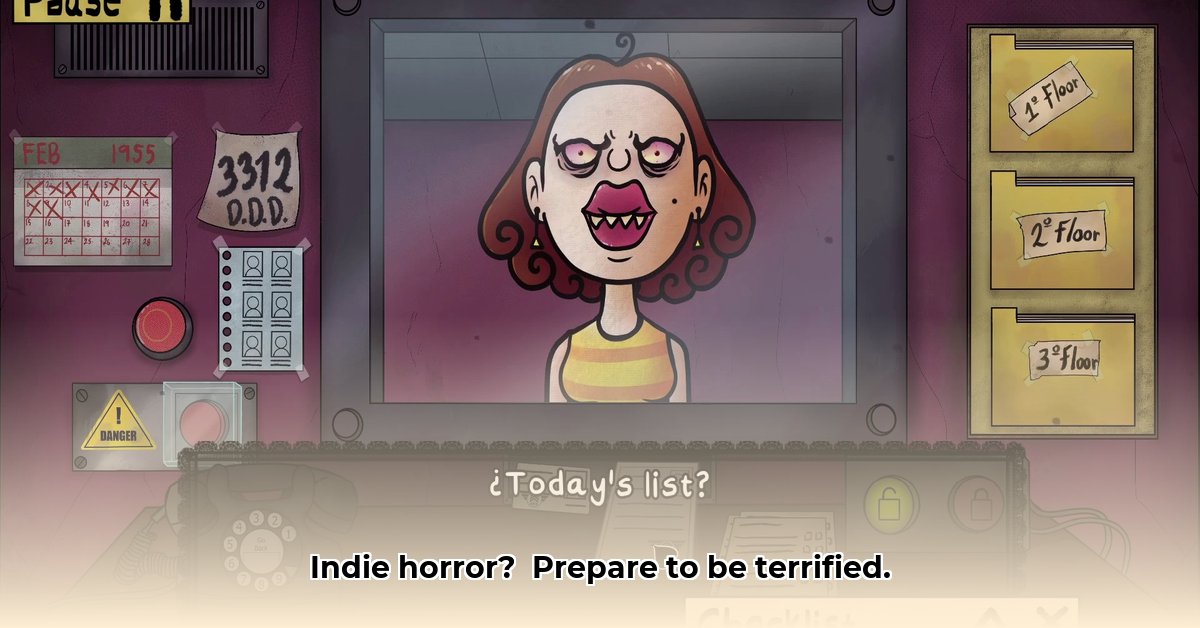
Ever felt a prickle of unease in your own neighborhood? “That’s Not My Neighbor” plunges you into a chilling 1950s world where the line between familiar and frightening blurs, testing your ability to discern unsettling doppelgangers amidst the seemingly ordinary. This isn't a game of jump scares; it's a slow burn of psychological horror, crafting suspense through unsettling visuals and a uniquely challenging gameplay mechanic. This review will delve into its mechanics, atmosphere, marketing potential, and offer actionable strategies for its future success.
Gameplay: Unmasking the Imposters
The core gameplay loop revolves around identifying subtle differences between ordinary neighbors and their unsettling counterparts. It’s a high-stakes game of “Spot the Difference,” where even the smallest detail – a crooked smile, a fleeting unnatural glint in the eye – can mean the difference between survival and… something far worse. This mechanic, while initially intriguing, presents a potential double-edged sword. While the challenge adds to the suspense and creates a genuine feeling of dread, the difficulty could prove frustrating for some players, potentially leading to early abandonment. The game’s success hinges on finding the right balance between challenge and accessibility.
Narrative and Atmosphere: A 1950s Nightmare
The 1950s setting isn't merely a stylistic choice; it's integral to the game's unsettling atmosphere. The era's inherent anxieties and repressed societal norms provide fertile ground for the unsettling doppelganger theme. The narrative unfolds subtly, relying on environmental storytelling and the tension inherent in the core gameplay. The developers avoid cheap jump scares, favoring a slow build of dread. The use of body horror is tasteful and effective, amplifying the psychological horror without resorting to gratuitous gore. This measured approach creates a truly unnerving experience, reminiscent of classic psychological horror films and games like Silent Hill in their ability to evoke a deep-seated sense of unease.
Marketability and Accessibility: A Missed Opportunity?
“That’s Not My Neighbor,” despite its strong core concept, suffers from significant marketing shortcomings. The game title itself, while descriptive, lacks the punch necessary to stand out in the competitive indie horror market. A more evocative and intriguing title could significantly boost its appeal. Furthermore, its current limited availability through early access severely hampers its potential reach. Expanding distribution to platforms like Steam and Itch.io is crucial. The Steam page itself requires a drastic redesign, incorporating high-quality visuals, a compelling narrative summary, and gameplay highlights that effectively convey the unsettling atmosphere and unique gameplay mechanic. Actively engaging influencers in the horror gaming community through collaborations and review copies would also significantly boost visibility and build anticipation.
Strengths and Weaknesses: A Balanced Perspective
“That’s Not My Neighbor” has several key strengths, but also areas for improvement:
| Strengths | Weaknesses |
|---|---|
| Unique and compelling doppelganger mechanic | Limited accessibility and distribution |
| Effective use of 1950s atmosphere | Underwhelming marketing and promotional materials |
| Skillful creation of psychological horror | Potential for player frustration due to difficulty |
| Tasteful use of body horror | Lack of readily available reviews and player feedback |
Actionable Intelligence: A Path to Success
The game's potential can be unlocked through a multi-pronged approach focusing on marketing, distribution, and gameplay refinement:
Immediate Actions (0-6 months): Overhaul the Steam page with compelling visuals and a captivating description. Release on Itch.io and other relevant platforms. Actively solicit and respond to player feedback to refine the difficulty and address potential frustrations.
Mid-Term Strategies (6-12 months): Launch a targeted marketing campaign focusing on horror and retro gaming communities on YouTube and Twitch. Partner with relevant gaming influencers for early access reviews and playthroughs and consider paid advertising on those platforms.
Long-Term Vision (12+ months): Explore DLC opportunities to expand the game’s world and replayability. Consider mobile porting. Build a strong community around the game which could influence the direction of updates.
Risk Assessment: Navigating the Uncertainties
The indie game market is fiercely competitive. Potential risks and mitigation strategies are as follows:
| Risk Category | Probability | Impact | Mitigation Strategy |
|---|---|---|---|
| Ineffective Marketing | High | High | Aggressive marketing campaign, influencer partnerships |
| Negative Player Reviews | Medium | Medium | Proactive community engagement, addressing player concerns |
| Platform Limitations | Medium | Medium | Expanding distribution across multiple platforms |
| Genre Saturation | Low | Medium | Emphasizing the game's unique mechanics and atmosphere |
“That’s Not My Neighbor” possesses the core ingredients of a successful horror game. By implementing the above strategies, it can effectively overcome its current challenges and carve a niche for itself in the crowded indie horror market. The unique blend of unsettling atmosphere and challenging gameplay has the potential to cultivate a devoted following, transforming this promising title into a true cult classic.
⭐⭐⭐⭐☆ (4.8)
Download via Link 1
Download via Link 2
Last updated: Saturday, May 17, 2025